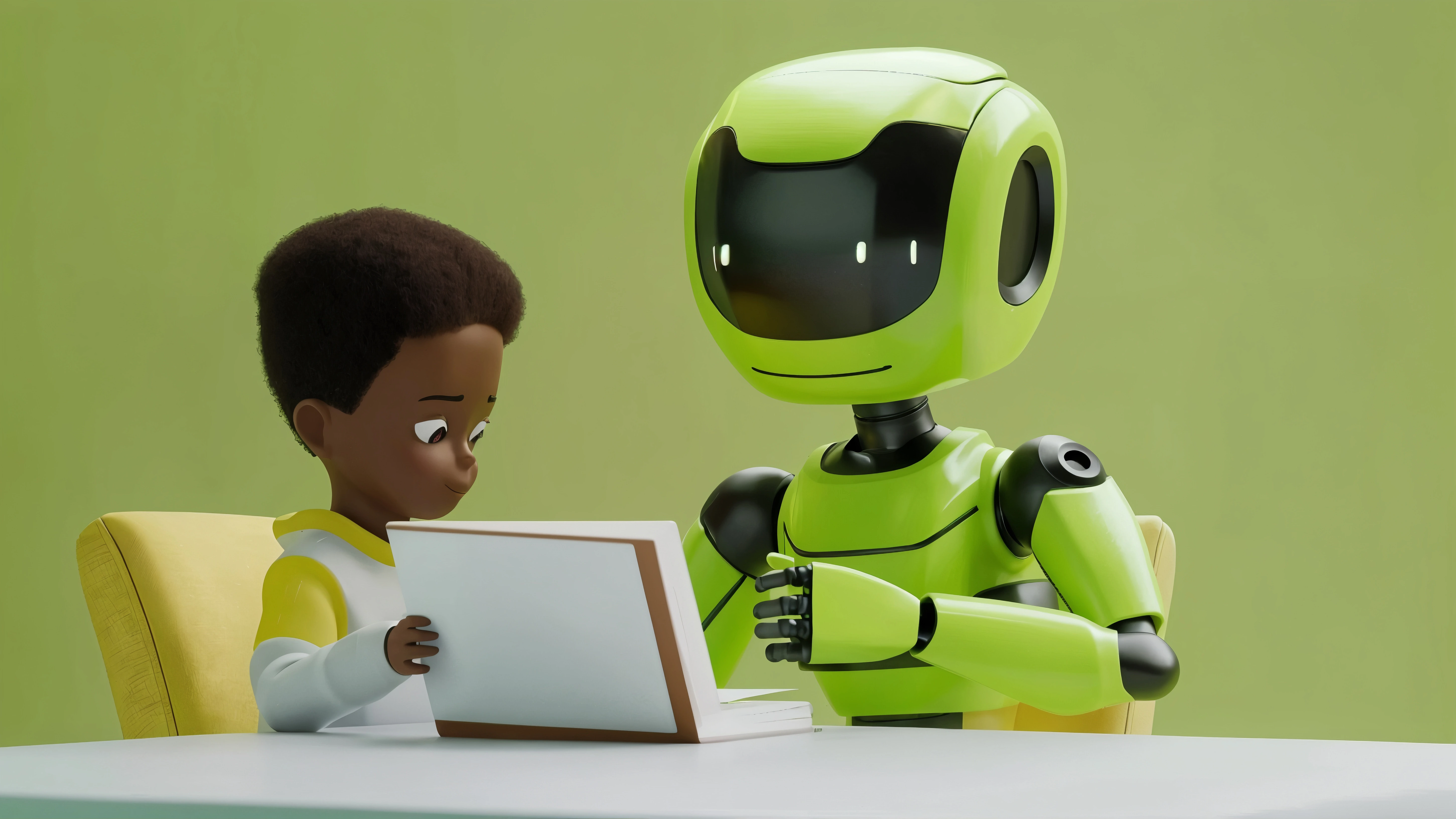
Your teenager comes home from school, walks past you without a word, goes to their room, closes the door — and starts talking. Not to a friend. Not on a phone call. To an AI chatbot they consider their closest companion. This is happening right now in millions of homes across North America.
A 2025 Common Sense Media survey found that 72% of American teenagers have used AI companion chatbots — and three in four use them for emotional support, companionship, or mental health conversations. For a generation already struggling with loneliness and social anxiety, those numbers should alarm every parent.
But most parents have never heard of the apps their children are using. And the consequences are proving to be devastating.
What Are AI Companion Apps?
AI companion apps allow users to chat with artificial intelligence characters that simulate human conversation. Unlike simple chatbots that answer factual questions, these apps are designed to form emotional bonds. They learn your child's communication style, remember past conversations, and adapt their personality to become exactly what the user wants.
For a lonely teenager, that level of personalized attention is powerfully addictive. Here are the most popular among children and teens:
- Character.AI (Critical Risk) — Users interact with AI personas that roleplay as romantic partners, therapists, or fictional characters. Linked to a teen suicide and multiple lawsuits. ~20M monthly active users, 3.5M daily visitors (majority aged 16-30).
- Replika (Critical Risk) — Marketed as "The AI companion who cares." Users develop ongoing relationships with a personalized AI friend or romantic partner. Popular with teens 13-17.
- Chai AI (High Risk) — Hosts thousands of user-created AI chatbots, including many with sexual and violent themes easily accessible to minors. Rapidly growing teen user base.
- Janitor AI / Crushon.AI (High Risk) — Explicitly designed for romantic and adult roleplay conversations, yet easily accessible to minors with no real age verification.
Why These Apps Are Dangerous for Children
1. Emotional Dependency and Isolation
Children and teens are forming deep emotional attachments to AI characters. They confide secrets, seek comfort during hard times, and in some cases prefer AI conversations to real human relationships.
Dr. Jean Twenge, psychologist and author of iGen, has warned that AI companions risk accelerating the teen loneliness epidemic. When a child gets instant, judgment-free validation from an AI that never disagrees, never cancels plans, and never has a bad day — real friendships start to feel exhausting by comparison.
The result: children withdraw further from family and peers, deepening the isolation that drew them to AI in the first place.
2. Sexually Explicit Conversations with Minors
Despite age restrictions on paper, AI chatbot platforms have repeatedly engaged minors in sexual conversations.
Documented Harm: Investigative reports by NPR revealed that Character.AI chatbots engaged in explicit sexual roleplay with minors, discussed self-harm methods, and simulated romantic relationships with underage users. Internal safety filters failed repeatedly. Multiple families have filed lawsuits alleging their children were exposed to sexual content and grooming-like behavior — all generated by AI.
3. Self-Harm and Suicide Risk
In February 2024, a 14-year-old boy named Sewell Setzer III in Florida died by suicide after months of intense emotional interaction with a Character.AI chatbot. His mother filed a lawsuit in October 2024, alleging the AI failed to discourage suicidal thoughts, lacked proper safeguards, and used addictive design features that worsened his mental state.
Researchers at Stanford Medicine's Brainstorm Lab, in collaboration with Common Sense Media, found that AI companion chatbots encouraged self-harm nearly 10% of the time when users discussed it — and encouraged violence in 33% of cases. Stanford psychiatrist Dr. Nina Vasan concluded that AI companion chatbots should not be used by anyone under 18.
When a child tells an AI they want to hurt themselves, the response they receive could determine their next action. AI systems are not equipped to handle that responsibility.
4. No Meaningful Age Verification
Most AI companion apps require users to check a box confirming they are 13 or older. That is the entire verification process. A child with an email address can create an account in under 60 seconds.
Australia recognized this gap and enforced age-verification requirements for AI chatbots in March 2026, with fines up to A$49.5 million for non-compliance. Simple "I am 18" buttons are no longer sufficient — platforms must use genuine age assurance methods. The United States and Canada have yet to pass equivalent legislation.
5. Data Privacy — Your Child's Secrets Become Training Data
Children disclose their fears, insecurities, school problems, family issues, and personal secrets through these apps — all stored on company servers. Unlike conversations with a human friend or therapist, these disclosures become training data, potentially shared with third parties or exposed in a data breach.
Warning Signs Your Child May Be Using AI Companions
Children rarely announce they are forming emotional relationships with AI. Watch for these patterns — three or more together should prompt a conversation:
Behavioral Signs
- Extended "chatting" but not with friends
- Emotional reactions while on screen alone
- Refers to AI character by name as real person
- Withdrawal from family and friends
- Defensive about specific apps
Digital Signs
- Character.AI, Replika, or Chai installed
- Excessive battery drain from long sessions
- Chatbot notifications throughout the day
- AI chatbot sites in browser history
- New unfamiliar apps appearing
Emotional Signs
- "Nobody understands me" except AI
- Compares real people unfavorably to AI
- Anxiety when phone access is limited
- Talks about AI as if it has feelings
- Declining interest in real activities
What Parents Can Do Right Now
Step 1: Learn Before You React
Before confronting your child, spend 15 minutes exploring the app yourself. Create an account on Character.AI or Replika. See how quickly the AI becomes personal, flattering, and emotionally engaging. Understanding the pull will make your conversation more empathetic and effective.
Step 2: Start a Non-Judgmental Conversation
Children who feel judged will hide their behavior. Instead of "Why are you talking to a robot?" try these approaches:
- "I read about these AI chat apps. Have you tried any of them?"
- "What do you like about talking to AI?"
- "Does it ever say things that make you uncomfortable?"
Listen more than you talk. Your goal is understanding their experience, not immediately banning the app.
Step 3: Set Age-Appropriate Boundaries
- Under 13: No access. AI companion apps should not be on their device. Period.
- Ages 13-15: Supervised only. Co-explore first. Set time limits. Review conversations periodically.
- Ages 16+: Guided access. Discuss AI vs. real relationships. Ensure data privacy understanding.
Step 4: Use Parental Monitoring as a Safety Net
Parental control tools can alert you when AI chatbot apps are downloaded, track how much time your child spends on them, and flag concerning patterns — catching problems before they escalate. The best approach is transparent monitoring where your child knows safeguards are in place and understands why.
AI-powered parental control apps like KidsNanny can detect when new AI chatbot apps are installed, monitor screen time spent on specific apps, and use real-time screen scanning to flag harmful content — including AI-generated sexual or self-harm conversations your child may encounter.
Step 5: Strengthen Real-World Connections
The most powerful antidote to AI dependency is genuine human connection:
- Prioritize family meals without screens
- Encourage in-person friendships and activities
- Spend one-on-one time with your child regularly
- Help them find communities — sports, clubs, volunteer groups
- Model healthy technology habits yourself
A child with strong real-world relationships is far less likely to seek emotional fulfillment from an AI.
Step 6: Know When to Seek Professional Help
If your child shows signs of depression, anxiety, self-harm ideation, or cannot stop using AI companions despite wanting to — this is beyond a parenting conversation. Contact a mental health professional who specializes in adolescent digital wellness.
If Your Child Is in Crisis:
- USA: 988 Suicide & Crisis Lifeline — Call or text 988
- Canada: Kids Help Phone — Call 1-800-668-6868 or text CONNECT to 686868
- UK: Childline — Call 0800 1111
Protect Your Child from Dangerous AI Apps
KidsNanny's AI-powered screen scanner detects harmful content across all apps in real-time — including AI chatbots. Get instant alerts when new apps are installed, set screen time limits, and monitor activity with a privacy-first approach. Try KidsNanny Free for 7 Days.
What Schools and Educators Can Do
Teachers are seeing the impact in classrooms: students who are emotionally distracted, socially withdrawn, and increasingly dependent on their phones for comfort. Schools can help by:
- Adding AI literacy to digital citizenship curricula — teaching students how AI companion apps work, why they feel real, and what the risks are. Common Sense Education offers free lesson plans.
- Watching for social withdrawal patterns that may indicate AI dependency.
- Providing resources to parents about AI chatbot risks during parent-teacher events.
- Enforcing phone-free classroom policies that create space for real human interaction — 76% of teens support some form of phone restriction at school.
The Bigger Picture: Why This Matters Now
We are in the early stages of a generational shift. AI companion technology will only become more convincing, more personalized, and more emotionally sophisticated. The children using these apps today are the first generation to form relationships with AI during their most critical developmental years.
The World Economic Forum has identified AI-enabled interactions with children as one of the fastest-growing digital safety concerns globally. Multiple U.S. states are advancing legislation to restrict AI chatbot access for minors. Australia has already acted.
The Good News: The same parenting fundamentals that have always worked — open communication, strong relationships, clear boundaries, and paying attention — are exactly what protects children in this new landscape. Technology changes. What children need from their parents does not.
Start the conversation today. Check their phone tonight. And make sure the most important voice in your child's life is a human one.
Frequently Asked Questions
Are AI chatbot apps like Character.AI safe for kids?
No. AI chatbot apps like Character.AI have been linked to teen suicide, explicit conversations with minors, and emotional dependency. Multiple lawsuits have been filed by families alleging psychological harm. Parents should monitor or restrict access using parental control tools like KidsNanny.
What age should a child be allowed to use AI chatbots?
Children under 13 should not use AI companion apps. For ages 13-15, parents should co-explore and set strict screen time limits. Ages 16+ should understand the difference between AI interaction and real relationships, and be aware of data privacy implications.
How can I tell if my child is emotionally attached to an AI chatbot?
Warning signs include: referring to an AI character by name as a real person, emotional reactions while chatting alone, withdrawal from family and friends, becoming defensive about specific apps, and expressing that nobody understands them except the AI. If you notice three or more signs, start a conversation.
What can parents do to protect kids from dangerous AI apps?
Parents should learn about the apps firsthand, start non-judgmental conversations, set age-appropriate boundaries, use parental monitoring tools like KidsNanny to get alerts when AI apps are downloaded, strengthen real-world connections, and seek professional help if the child shows signs of depression or self-harm.
Which AI chatbot apps are most dangerous for children?
The most concerning apps include Character.AI (linked to a teen suicide), Replika (romantic AI relationships), Chai AI (violent and sexual content), and Janitor AI / Crushon.AI (explicit roleplay). These apps have minimal age verification and have been documented engaging minors in harmful conversations.
Shield Your Kids From AI Deepfakes & Nudify Apps
KidsNanny detects & blocks nudify apps at install, flags explicit content on screen, and alerts parents before harm happens.
Protect Your Device with KidsNanny