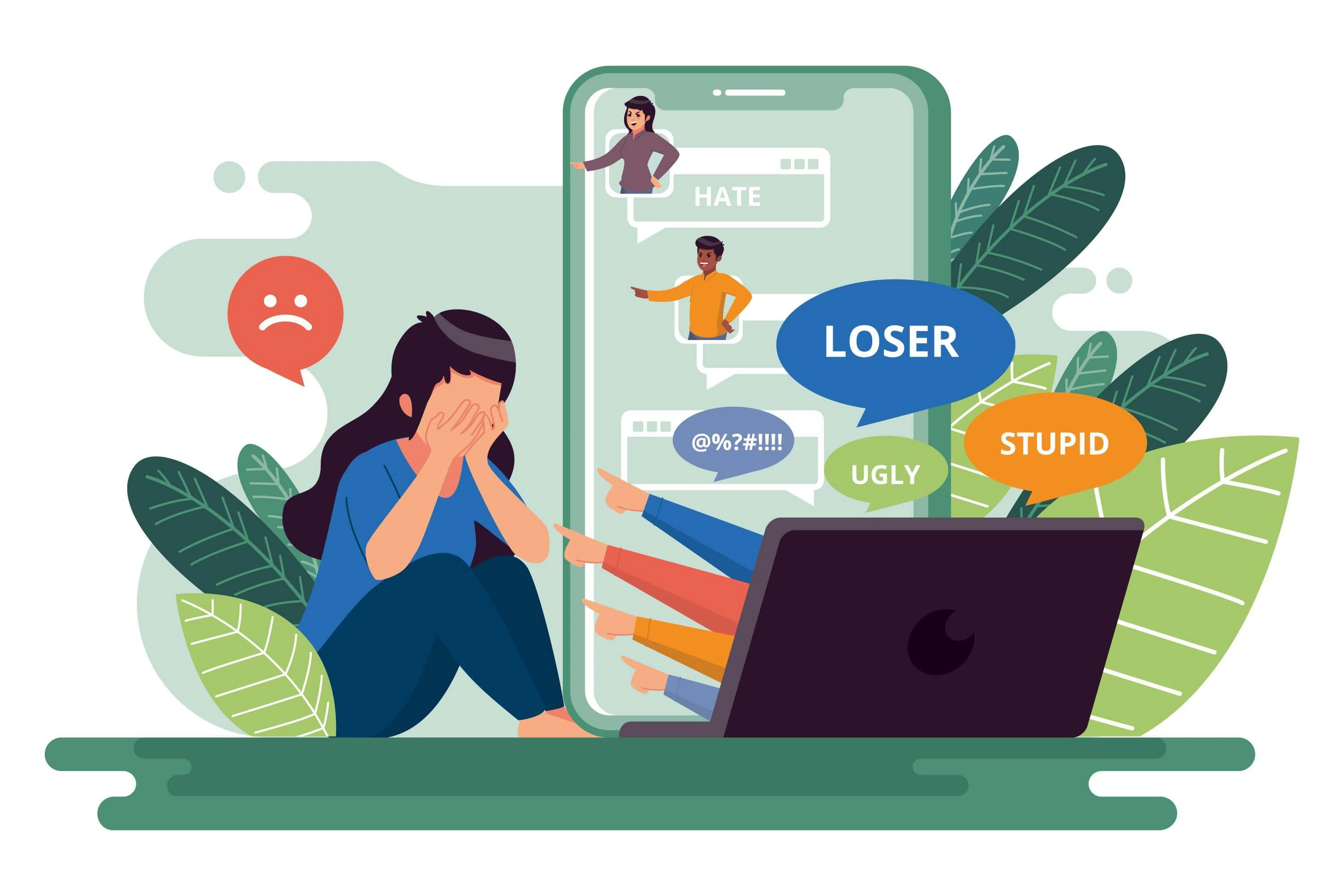
Cyberbullying is no longer a fringe issue. It has become one of the most common childhood experiences of this generation. According to recent cyberbullying research, 46% of US teens aged 13 to 17 have experienced cyberbullying. This guide provides an evidence-based action plan for both parents and teachers to recognize, respond to, and prevent cyberbullying in 2026.
Behind that number are real children dealing with anxiety, depression, academic decline, and in the most devastating cases, self-harm. The challenge for parents and teachers is that cyberbullying looks nothing like traditional bullying. There are no visible bruises. It happens behind screens, inside group chats, through anonymous apps, and often after school hours when children are alone in their rooms.
But there is good news: when parents and teachers work together with the right knowledge, cyberbullying can be detected early and its impact can be significantly reduced.
Understanding Cyberbullying in 2026
Cyberbullying has evolved far beyond mean text messages. Today's children face:
- Anonymous attacks through apps like NGL and anonymous Q&A platforms where bullies face zero accountability
- AI-generated harassment including deepfake images and manipulated screenshots used to humiliate victims
- Group chat exclusion where children are deliberately removed from friend groups or mocked in chats they can't see
- Social media pile-ons where a single embarrassing post or screenshot gets shared hundreds of times within hours
- Gaming harassment through in-game voice chat, where verbal abuse is immediate and often goes unrecorded
AI-generated harassment — including deepfakes and manipulated content — is an emerging threat to children's digital safety. Children who would never bully face-to-face are engaging in harmful behavior online, where the distance from the screen creates emotional detachment from consequences.
The Warning Signs Every Adult Should Recognize
Children rarely tell adults they are being cyberbullied. Instead, they show it through behavior changes.
Signs for Parents to Watch at Home
Emotional changes:
- Sudden anxiety, irritability, or mood swings — especially after using their phone
- Withdrawing from family conversations
- Unexplained crying or emotional outbursts
- Low self-esteem or negative self-talk that seems new
Behavioral changes:
- Avoiding their phone or suddenly wanting to stop using social media
- The opposite — obsessively checking their phone with visible stress
- Reluctance to go to school or attend social events
- Changes in eating or sleeping patterns
- Declining grades that don't have another explanation
Digital clues:
- Closing screens or switching apps when a parent walks by
- Deleting messages or entire apps unexpectedly
- Creating new social media accounts
- Receiving messages at unusual hours
Signs for Teachers to Watch at School
Teachers are often the first adults to notice changes because they see children in social settings daily:
- A student who was previously social becoming withdrawn or isolated
- Avoiding group activities or partner work
- Increased absences or arriving late to avoid certain students
- Visible anxiety when phones are allowed during breaks
- Changes in friend groups — suddenly sitting alone at lunch
- Submitting work late or declining academic performance
- Physical complaints (headaches, stomachaches) without medical cause
Important: A child experiencing cyberbullying often shows signs in multiple categories simultaneously. One sign alone may mean nothing. Three or four together should prompt a conversation.
Action Plan for Parents: What to Do Right Now
Step 1: Create a Judgment-Free Zone
Before any monitoring tools or rules, your child needs to know they can come to you without fear of punishment. The single biggest reason children don't report cyberbullying is fear that:
- Their phone will be taken away
- They'll be told to "just ignore it"
- They'll get in trouble for something they were doing online
Tell your child explicitly: "If something happens online that makes you scared or uncomfortable, I will not punish you. I will help you."
Step 2: Have Regular, Casual Check-Ins
Don't wait for a crisis. Build the habit of casual conversations about online life:
- "Anything funny or weird happen online today?"
- "Is anyone in your class dealing with drama on social media?"
- "Have you seen anything that made you uncomfortable?"
Keep these conversations light and non-interrogative. The goal is normalizing the topic, not conducting an investigation.
Step 3: Set Up Proactive Monitoring
Children under 14 benefit from active parental monitoring of their digital activity. This is not about surveillance — it is about safety.
Modern parental control apps can use AI to detect harmful patterns like bullying language, threats, and harassment across apps and alert parents before situations escalate. In real-world testing, AI-powered screen scanning identified grooming language and sextortion attempts within 3 seconds of a conversation starting — demonstrating how early detection technology can intervene before harm occurs. The best approach is transparent monitoring where your child knows protections are in place and understands why.
Step 4: Know the Platforms
You cannot protect your child from dangers on platforms you don't understand. Spend time learning the basics of:
- How Instagram DMs and stories work
- What Snapchat's disappearing messages mean
- How TikTok's comment section operates
- What Discord servers your child has joined
- Whether your child uses any anonymous messaging apps
You don't need to become an expert. You need to understand enough to have informed conversations.
Step 5: Document Everything
If cyberbullying is happening:
- Screenshot every message, comment, and post before it can be deleted
- Record dates, times, and platforms
- Save usernames and profile information
- Do not respond to or engage with the bully
- Report the behavior to the platform using their reporting tools
This evidence is essential if you need to involve the school or law enforcement.
Action Plan for Teachers: Building a Safe Classroom Culture
Step 1: Make Digital Citizenship Part of the Curriculum
Cyberbullying prevention starts with education, not punishment. Students need to understand:
- Empathy online: The person behind the screen is real and has feelings
- Permanence: Screenshots last forever, even if messages disappear
- Bystander responsibility: Watching bullying without acting enables it
- Reporting is not snitching: Telling an adult about bullying protects everyone
Organizations like Common Sense Media offer free, grade-appropriate digital citizenship lesson plans that can be integrated into existing curricula.
Step 2: Establish Clear Reporting Channels
Students will not report cyberbullying if the process feels intimidating or public. Create multiple reporting options:
- Anonymous tip box (physical or digital)
- Direct email or message to a trusted teacher or counselor
- Peer mediators trained to recognize and escalate reports
- Clear, posted steps so students know exactly what happens when they report
Make it explicit: reports are taken seriously, handled confidentially, and will not result in punishment for the reporter.
Step 3: Watch for Social Dynamics
Cyberbullying often mirrors and amplifies real-world social conflicts:
- Exclusion from friend groups at school often extends to group chat exclusion online
- Arguments that start in the hallway escalate on social media after school
- Changes in who sits with whom at lunch often signal digital conflict
Teachers who stay attuned to social dynamics can intervene early — sometimes before the cyberbullying becomes severe.
Step 4: Partner with Parents
Schools and parents are most effective when they work together:
- Share resources about digital safety at parent-teacher conferences
- Include cyberbullying awareness in school newsletters
- Host annual digital safety workshops for families
- Communicate promptly when cyberbullying incidents involve students
- Recommend evidence-based tools and resources for home monitoring
Step 5: Support Victims and Address Bullies Appropriately
For victims:
- Validate their experience — never minimize it
- Connect them with a school counselor
- Monitor for ongoing harassment
- Check in regularly over the following weeks and months
- Involve parents as partners in the recovery process
For bullies:
- Investigate the full context — sometimes bullies are also victims
- Focus on behavior change and empathy development, not just punishment
- Involve parents in the intervention
- Use restorative justice approaches where appropriate
- Monitor for repeated behavior
Prevention Strategies That Actually Work
Research from the Family Online Safety Institute and multiple child development studies point to these evidence-based prevention strategies:
1. Delay Social Media Access
Children who start using social media later show lower rates of cyberbullying victimization. The American Academy of Pediatrics recommends parents create a Family Media Plan that considers each child's maturity before granting social media access.
2. Teach Emotional Regulation
Children who can manage their emotions are less likely to become bullies and more resilient when targeted. Mindfulness programs, emotional literacy curricula, and social-emotional learning (SEL) programs in schools have shown measurable reductions in bullying behavior.
3. Build Strong Offline Relationships
Children with strong family bonds and at least one trusted adult at school are significantly more likely to report cyberbullying and recover from its effects. Prioritize family dinners, one-on-one time, and genuine conversations over monitoring alone.
4. Use Technology as a Safety Net
Parental monitoring tools should complement — never replace — communication. When children understand that monitoring is about protection (not surveillance) and that they can always come to a parent or teacher, technology becomes a valuable safety net that catches what conversations might miss.
5. Model Healthy Digital Behavior
Children learn from watching adults. If parents are constantly on their phones, engage in online arguments, or dismiss the importance of digital kindness, children absorb those patterns. Model the behavior you want to see — put phones away during meals, speak respectfully about people online, and demonstrate that screen-free time is valuable.
When to Escalate: Knowing the Line
Some situations require immediate action beyond school or home:
- Threats of physical violence — contact law enforcement
- Sexual content or exploitation — report to CyberTipline.org (NCMEC) and law enforcement
- Sextortion or blackmail — contact the FBI's IC3 and do not pay any demands
- Self-harm or suicidal ideation — contact the 988 Suicide & Crisis Lifeline immediately (call or text 988 in the US)
- Persistent harassment despite school intervention — document everything and consult with law enforcement
No parent or teacher should try to handle serious threats alone. These situations require professional intervention.
The Bottom Line
Cyberbullying in 2026 is more sophisticated, more widespread, and more damaging than ever before. But it is not unstoppable.
The most effective protection is a combination of open communication, proactive monitoring, school-wide prevention programs, and strong parent-teacher partnerships. No single approach works alone — but together, they create a safety net that catches children before they fall.
Start today. Have the conversation. Set up the protections. Build the relationship where your child knows they can come to you. That foundation is worth more than any technology.
Frequently Asked Questions
What is cyberbullying and how is it different from traditional bullying?
Cyberbullying is harassment, threats, or humiliation carried out through digital devices — phones, tablets, computers — via text messages, social media, gaming platforms, or apps. Unlike traditional bullying, cyberbullying can happen 24/7, reach a much wider audience instantly, and is harder to escape since children carry their devices everywhere. It also allows bullies to remain anonymous, which often makes the behavior more aggressive.
What are the first signs that my child is being cyberbullied?
The most common early signs include sudden mood changes after using their phone, withdrawing from family or friends, reluctance to go to school, changes in sleep or eating patterns, and declining grades. Digitally, watch for your child closing screens when you walk by, deleting apps or messages, or creating new social media accounts. If you notice three or four of these signs together, it is time to start a conversation.
How do I talk to my child about cyberbullying without making them shut down?
Start with casual, non-interrogative conversations — ask about their online world the same way you would ask about their day at school. Make it clear that they will not be punished for telling you about something that happened online. Avoid reacting with anger or immediately taking their device away. The goal is to build a relationship where your child sees you as a safe person to come to, not someone who will make the situation worse.
Should I monitor my child's phone and social media accounts?
For children under 14, yes — age-appropriate monitoring is recommended by most child safety experts. The key is transparency: let your child know that monitoring tools are in place and explain that the purpose is safety, not surveillance. Modern parental control apps can detect bullying language and threats using AI, alerting you before situations escalate without requiring you to read every message manually.
When should I involve the school or law enforcement in a cyberbullying situation?
Involve the school when cyberbullying involves classmates or is affecting your child's ability to attend or focus at school. Contact law enforcement immediately if the situation involves threats of physical violence, sexual content or exploitation, sextortion or blackmail, or if your child expresses thoughts of self-harm. Always document everything — screenshots, dates, usernames — before reporting, as this evidence is critical for any investigation.
Protect Your Child Online with KidsNanny
Real-time AI screen scanning, WhatsApp protection, app blocking, and location tracking for Android & iOS.
Try KidsNanny Free for 7 Days