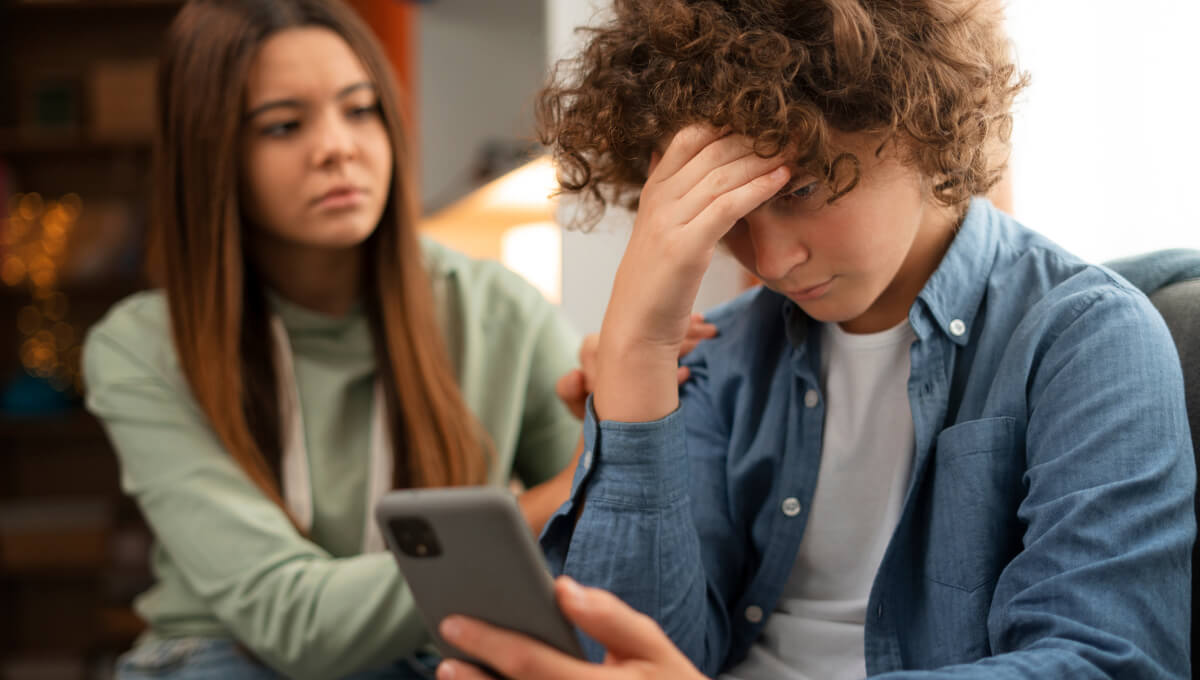
Social media platforms like Instagram, TikTok, Snapchat, other adult social media apps and YouTube continue to dominate children's digital lives. While these platforms offer entertainment and creative outlets, many parents are growing increasingly concerned about their negative impact on kids' mental health.
This blog explores how social media affects children's emotional well-being today and provides actionable tips for parents to help their kids stay safe and mentally healthy online.
Why Social Media Can Harm Kids' Mental Health
Comparison & Low Self-Esteem
Social media often shows unrealistic lifestyles, filtered appearances, and carefully curated images. Kids may feel pressured to compare themselves to influencers or peers, leading to feelings of inadequacy, low self-esteem, and body dissatisfaction.
Anxiety & Fear of Missing Out (FOMO)
The constant stream of posts, stories, and live updates can create anxiety among children. Fear of missing out on social events, viral trends, or peer activities may increase stress and reduce their confidence.
Cyberbullying & Online Harassment
Platforms allow for anonymous comments and direct messaging, making it easier for bullies to target others. Cyberbullying has been linked to depression, anxiety, and in severe cases, self-harm among young users.
Addiction & Screen Time Overload
Many apps are designed to keep users scrolling for hours through algorithmic feeds. This excessive screen time disrupts sleep, reduces academic performance, and can cause emotional exhaustion.
Exposure to Harmful Content
Despite parental controls, children can be exposed to violent, explicit, or harmful content, affecting their emotional well-being and shaping their beliefs.
Signs Social Media May Be Hurting Your Child's Mental Health
- Sudden mood changes after using social media
- Withdrawal from family or offline friends
- Low self-confidence or body image concerns
- Difficulty sleeping
- Obsession with likes, followers, or views
- Signs of anxiety or depression
How Parents Can Help Protect Their Kids' Mental Health
Foster Open Conversations
Encourage your child to talk about their online experiences openly. Listen without judgment and discuss the unrealistic nature of many social media posts.
Set Healthy Digital Boundaries
Establish screen-free zones (such as during meals or before bedtime) and use built-in parental controls or apps to limit daily usage.
Educate About Digital Literacy
Teach your child how algorithms work, how ads target them, and how to recognize manipulated or fake content.
Follow Together
Follow or review their favorite accounts together and discuss which content is helpful, positive, or potentially harmful.
Prioritize Offline Activities
Support hobbies, sports, and real-life social activities to help reduce dependence on digital validation.
Lead By Example
Model balanced tech use in your own life. Kids are more likely to adopt healthy habits when they see parents practicing them.
Helpful Tools for Parents in 2026
- Google Family Link
- KidsNanny - AI Powered Parental Control For Android & iPhone
Final Thoughts
Social media isn't going away anytime soon, but with proactive parenting, open dialogue, and balanced digital habits, children can enjoy its benefits while avoiding its downsides.
Parents don't need to ban social media entirely—but guiding kids with the right tools, emotional support, and education can foster healthier online experiences.
By focusing on mental health and social media literacy, families can create safer digital environments where children thrive both online and offline.